
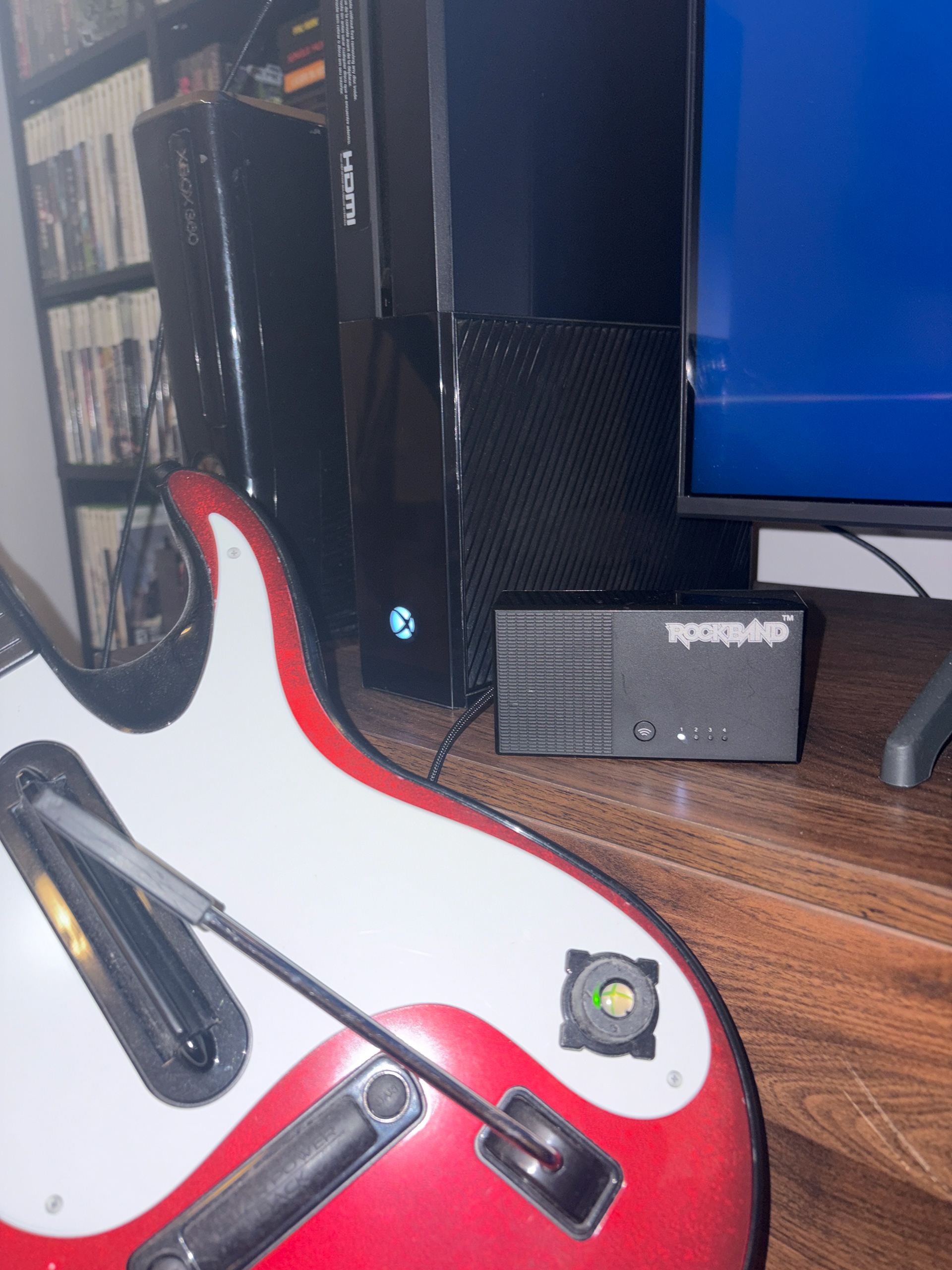
No repair is ever perfect. But I am damn proud of this one! A Rock Band Legacy Adapter has been my “white whale” for a while now, but with one costing over $300, I knew I would likely never buy one. That was until I saw a broken one pop up on marketplace. It was listed for $100, which I thought was still way too expensive for a broken accessory. After seeing it sit on marketplace for months, I threw out an offer of $50 and the seller accepted.
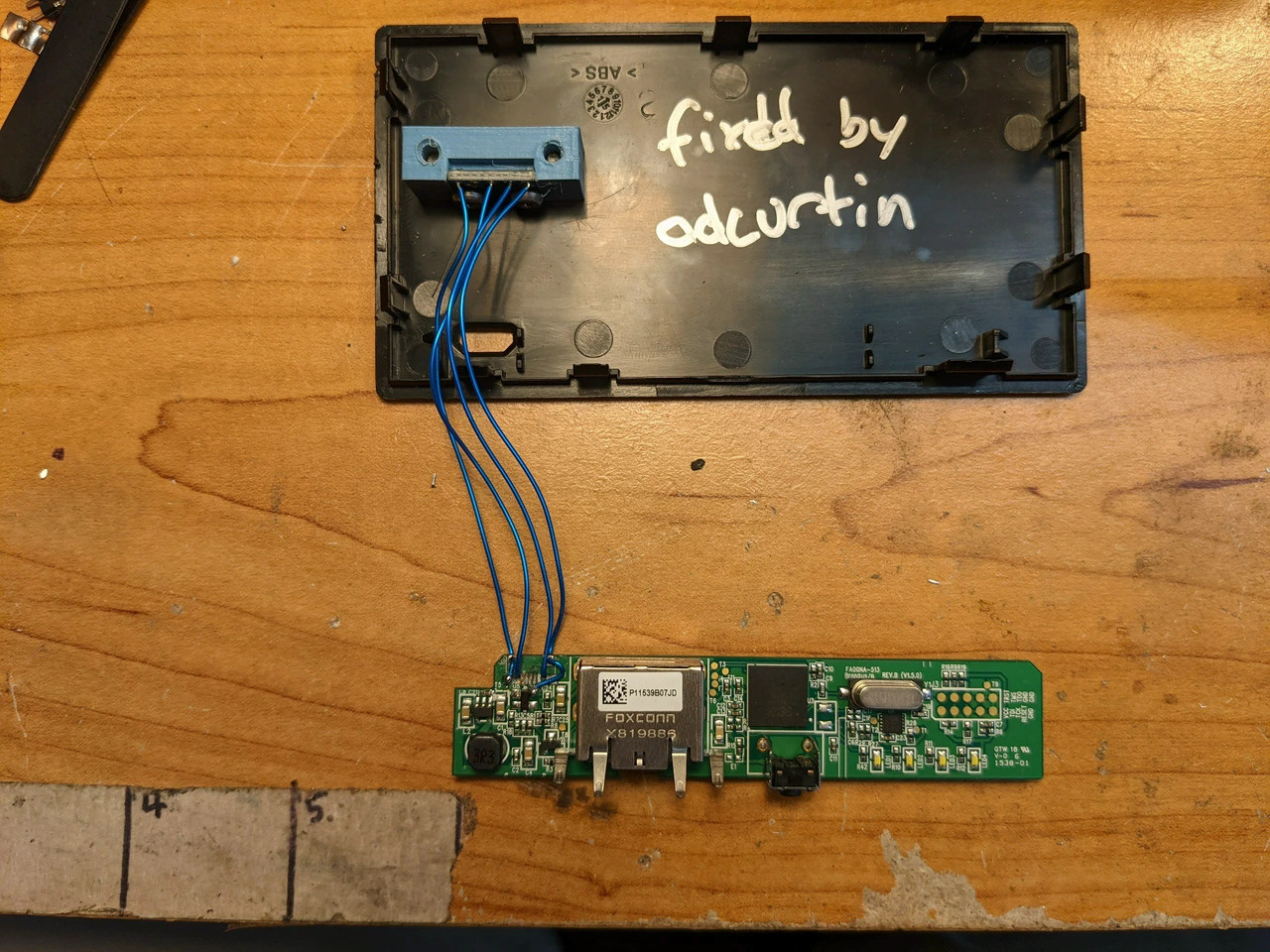
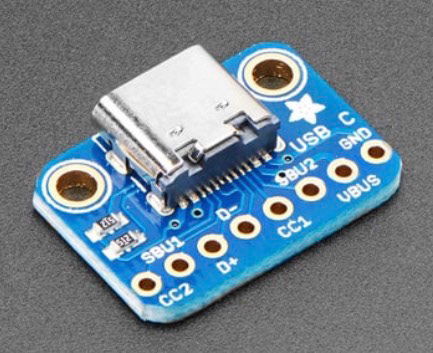
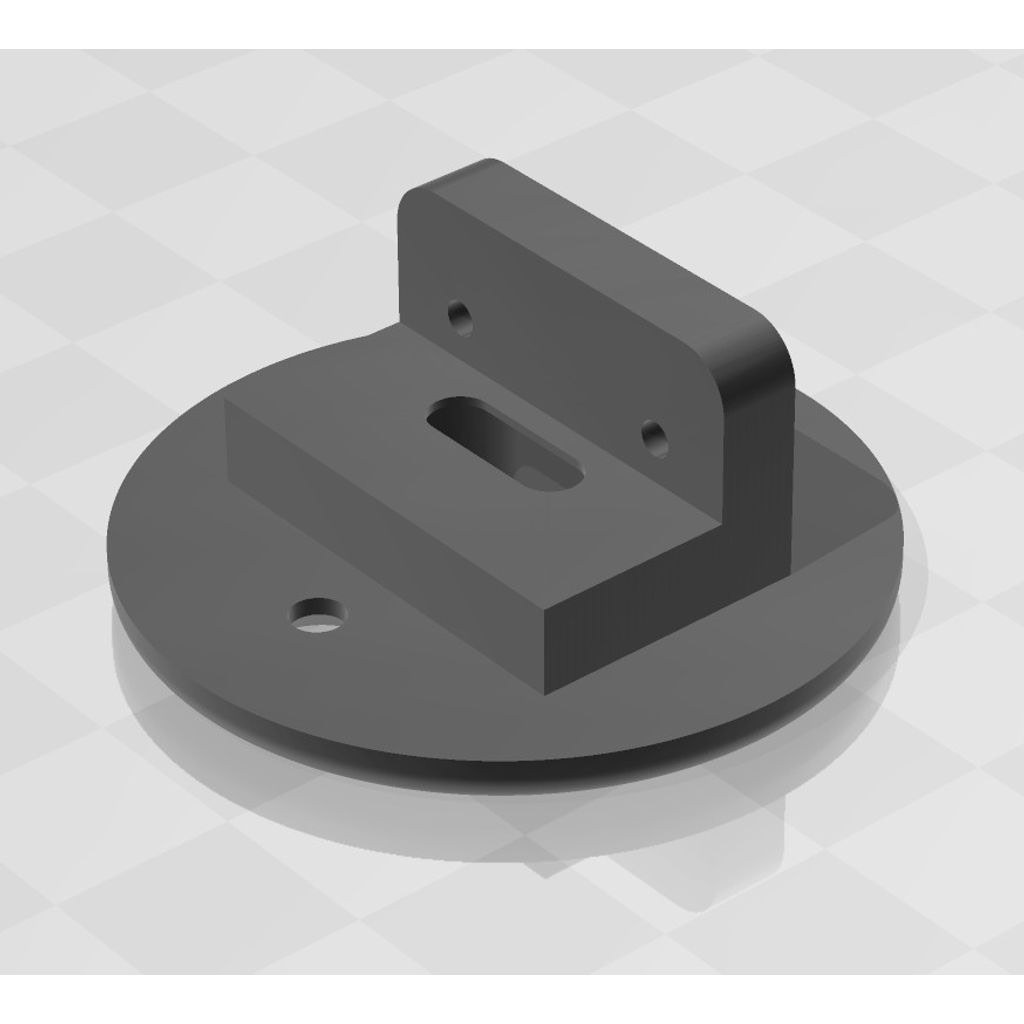
The issue with this adapter was that the micro USB port was broken off. I initially thought that I would just need to replace it. After doing some research, though, I learned that it would not be that simple. Apparently this is a very common issue with these adapters. The micro USB ports are weak, and they break all the time. Even if I replaced the port, I could run into the same issue again down the line. The preferred repair I saw for this was doing a USB-C mod. This entails purchasing a USB-C breakout board, and then soldering wires to the correct spots on the board. I decided that I would attempt this repair, so I purchased a USB-C breakout board, 3D printed a mount for it, and got to work.
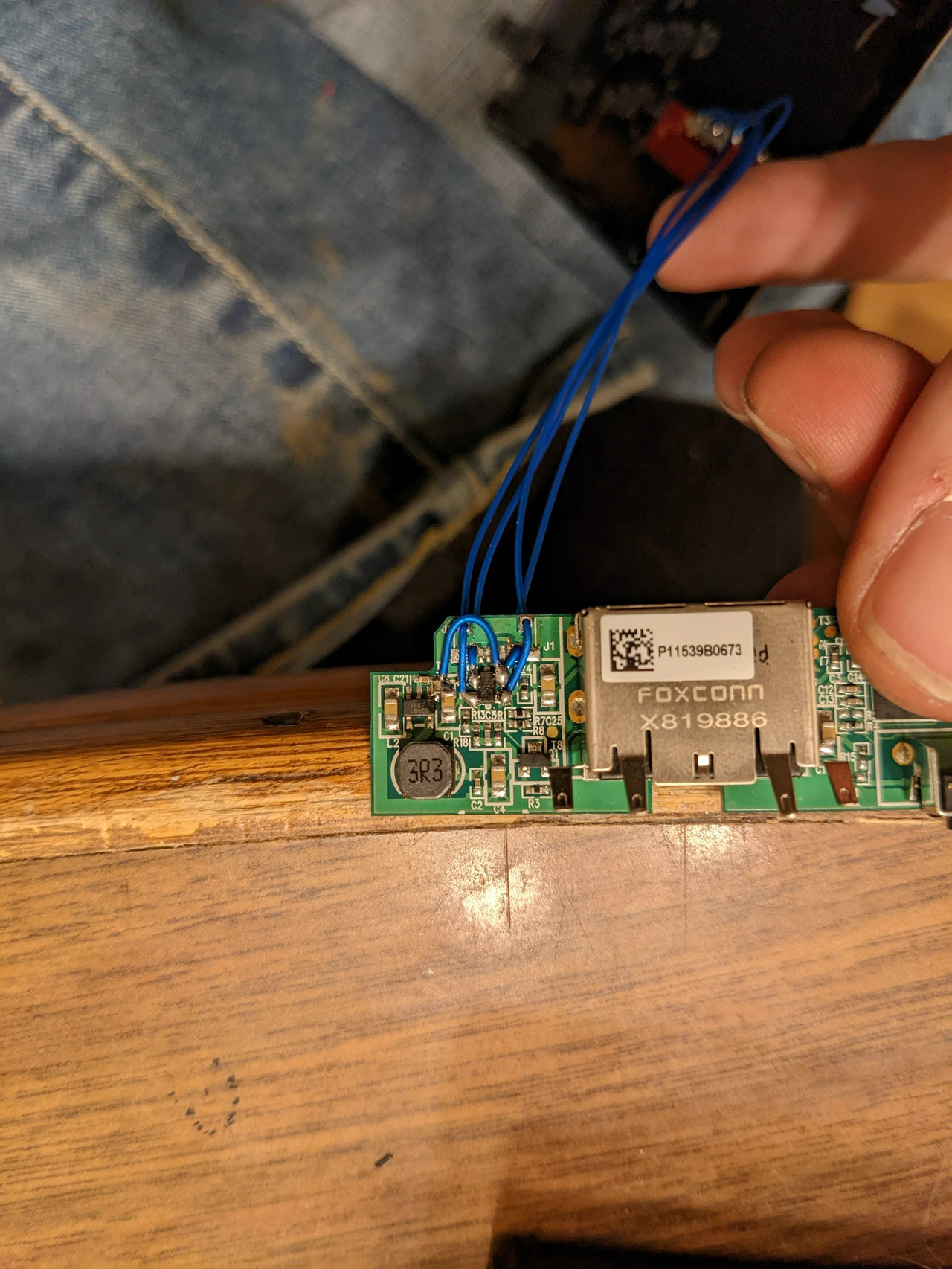
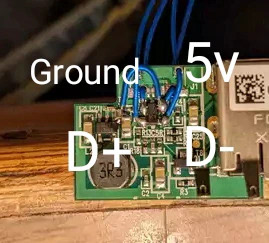
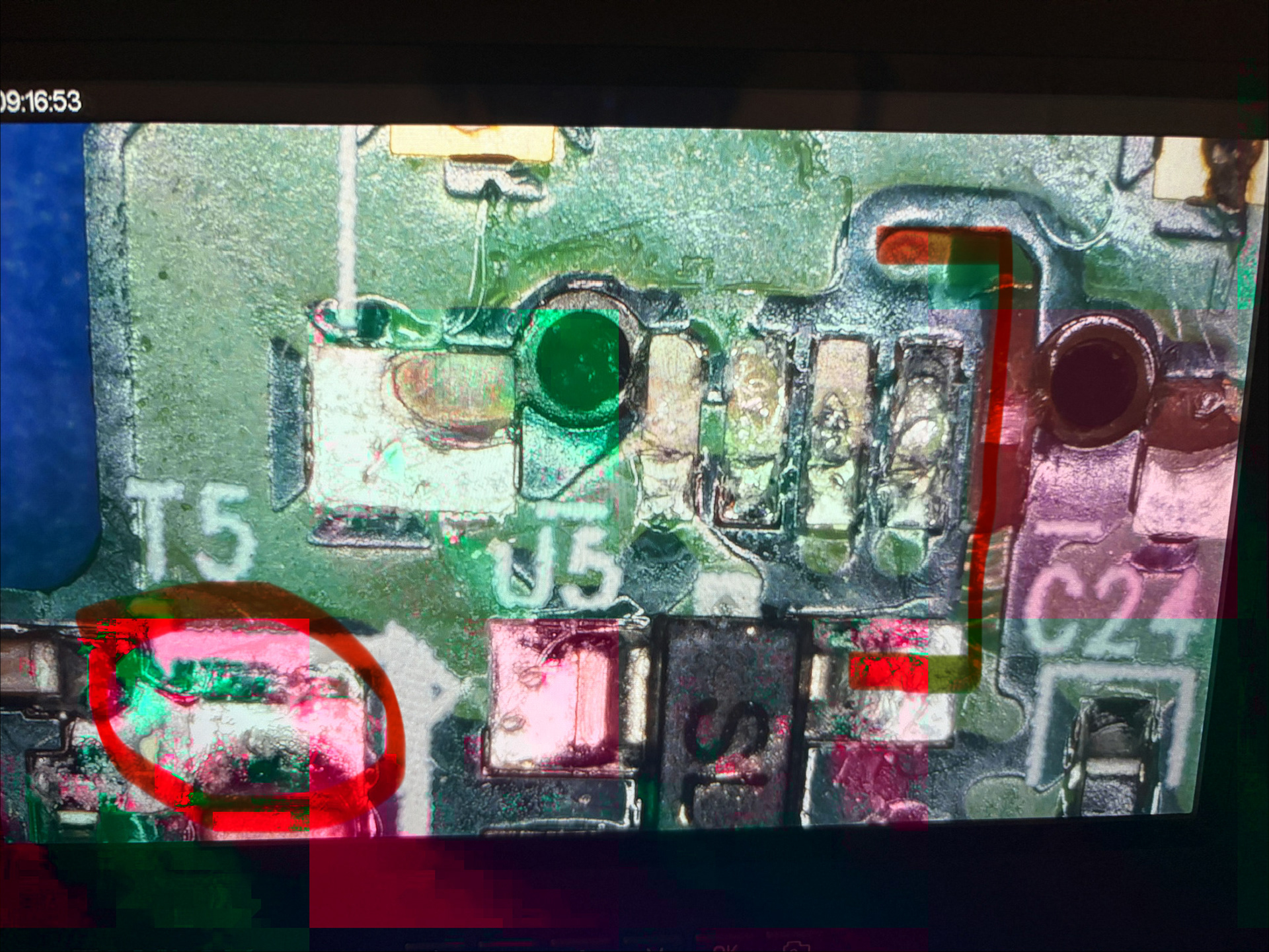
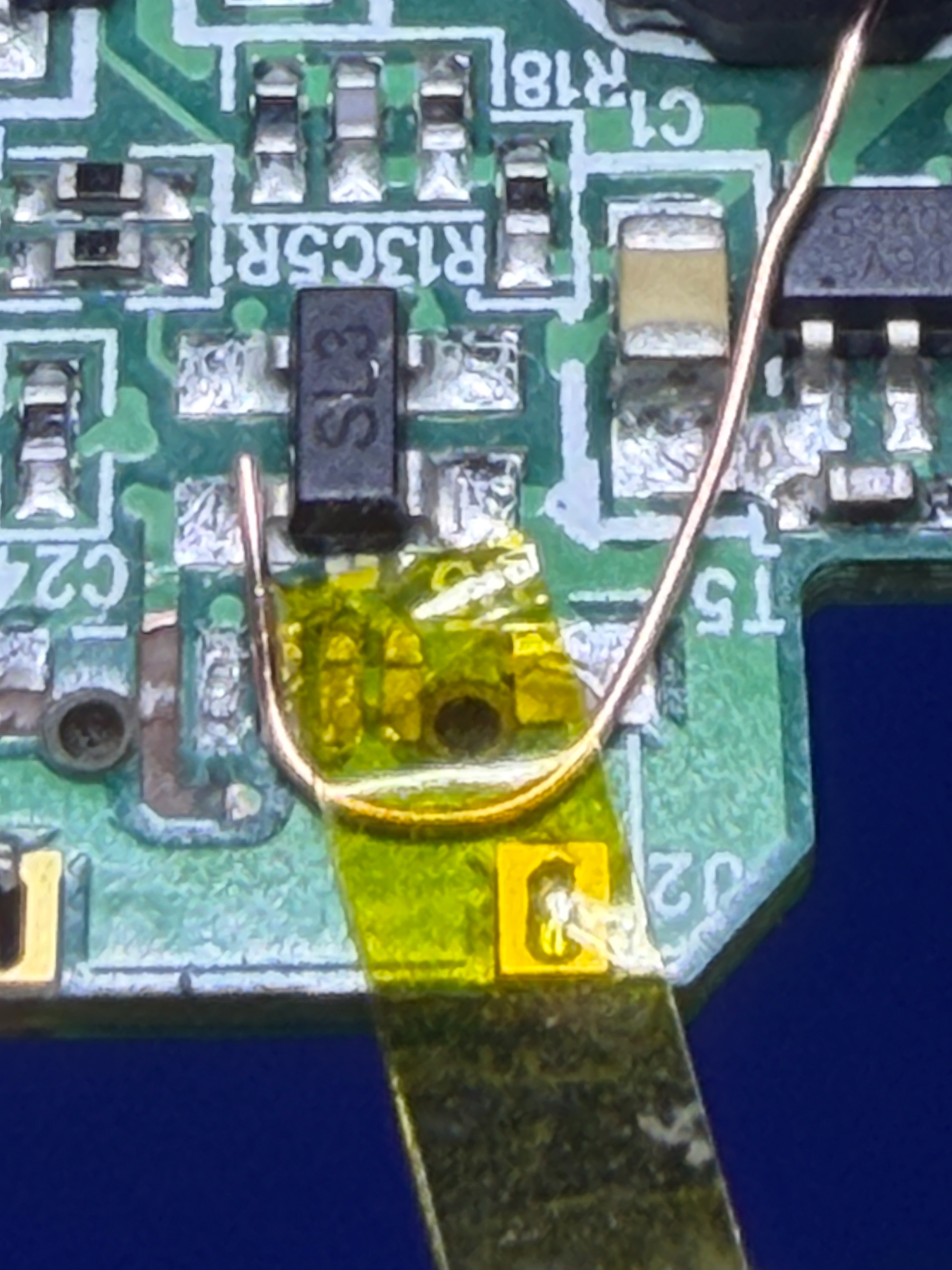
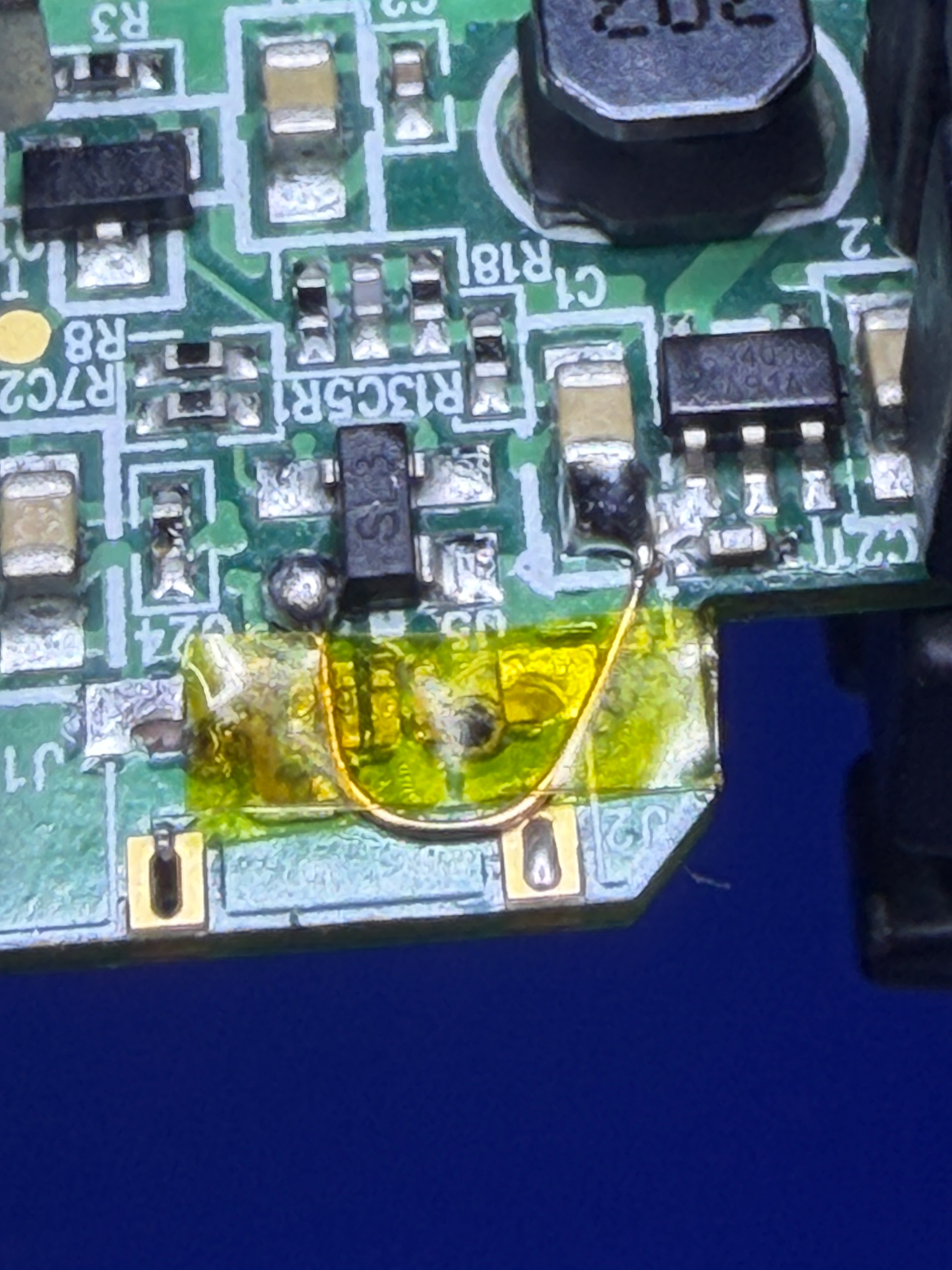
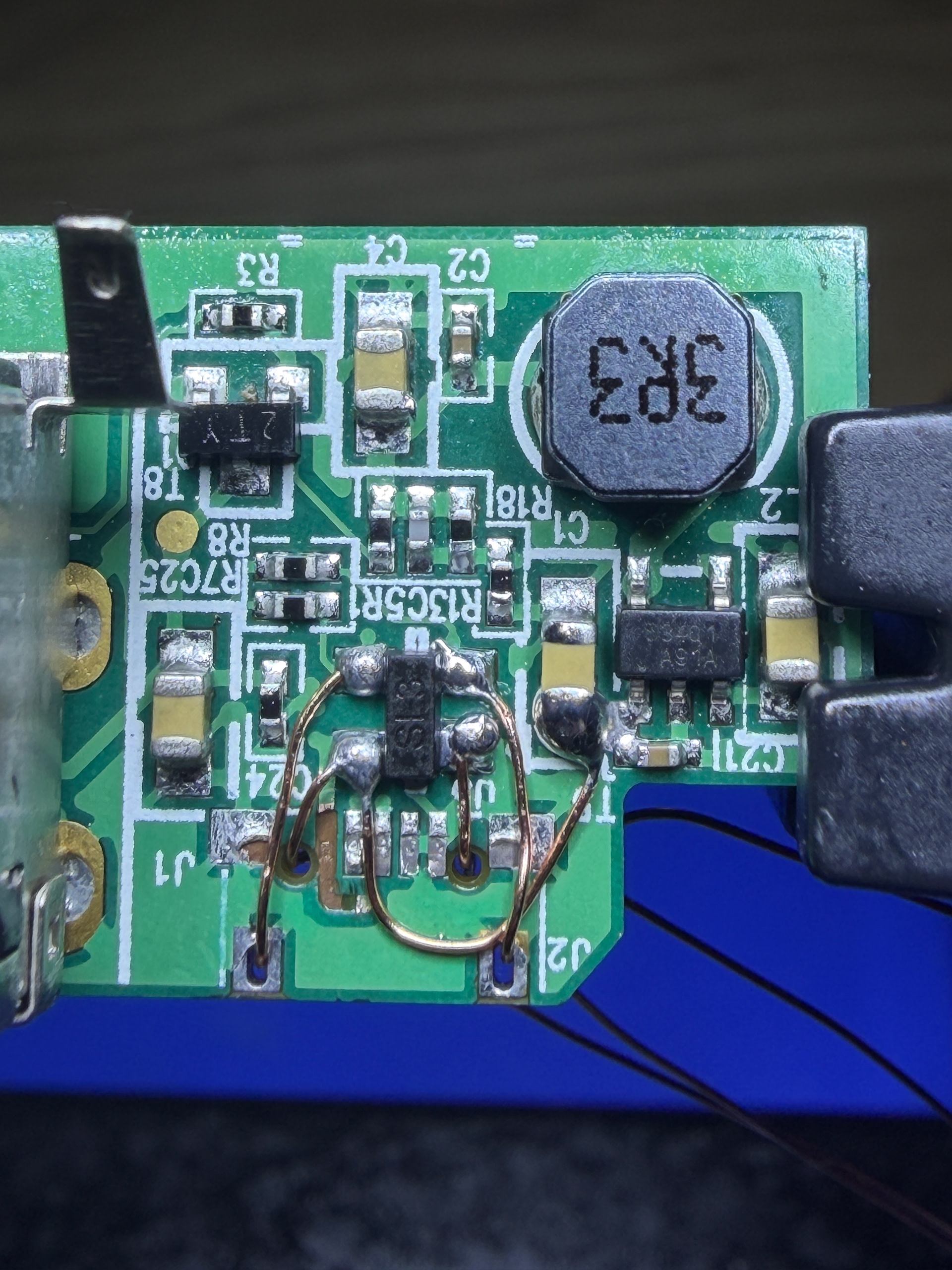
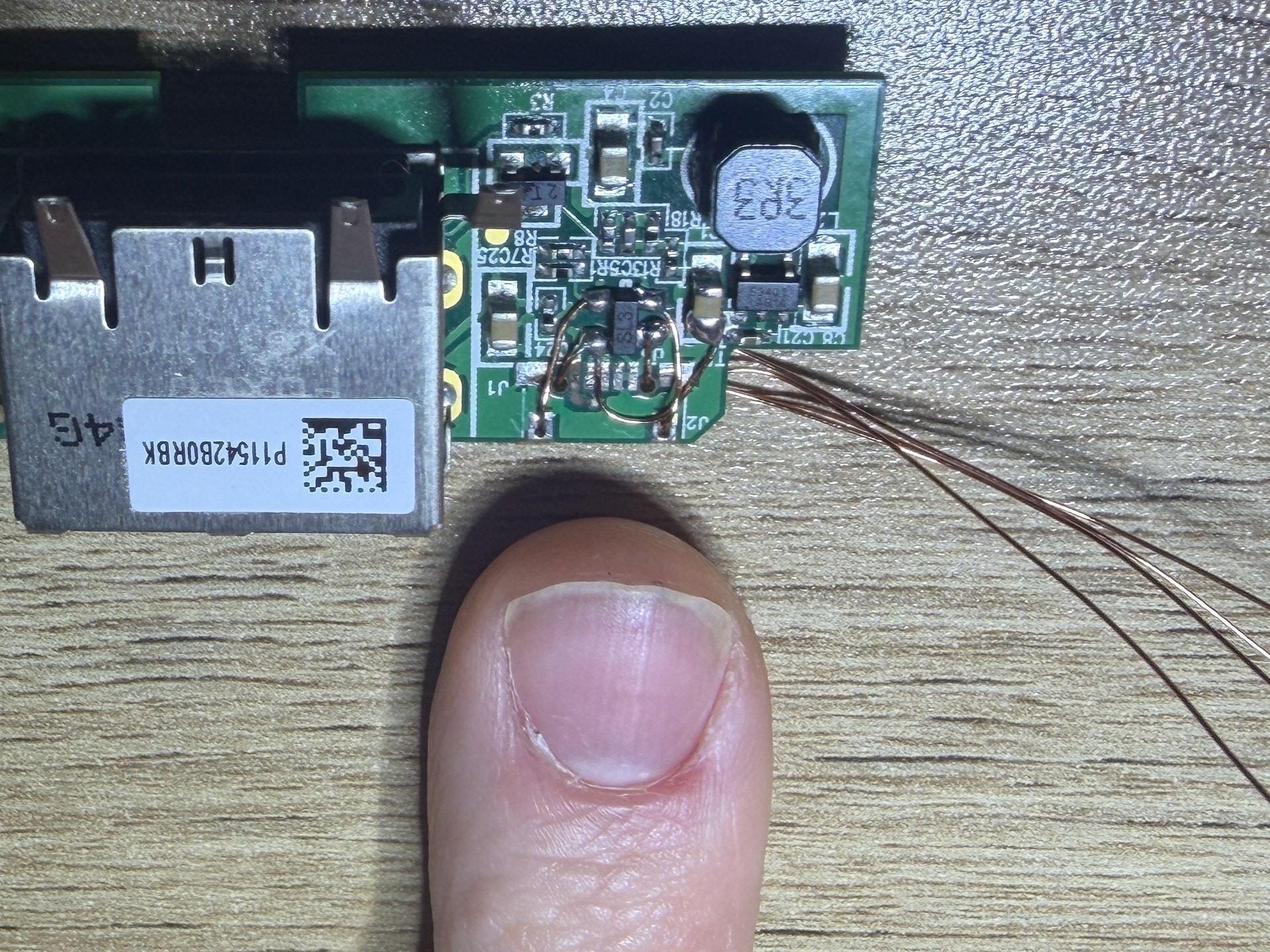
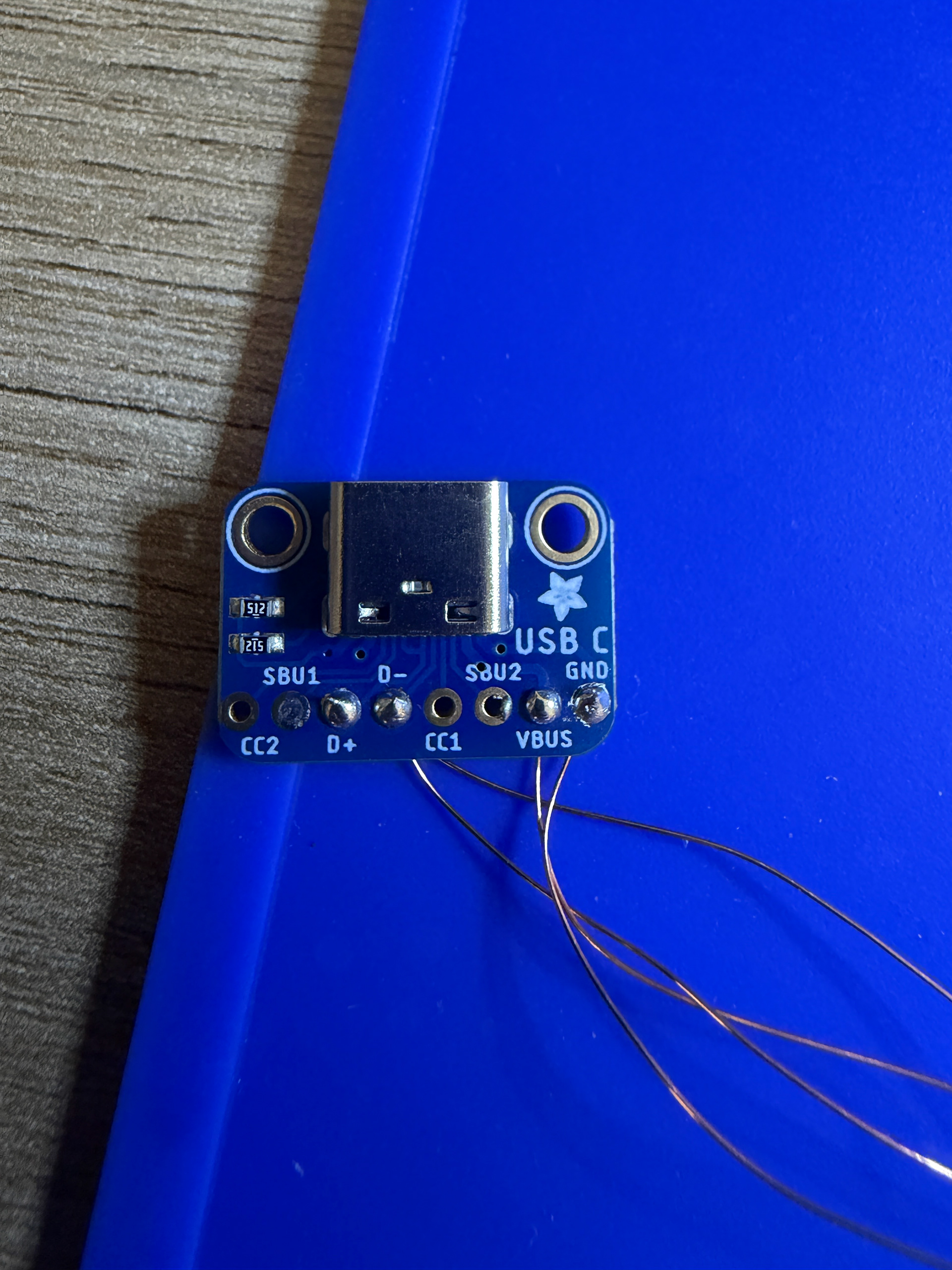
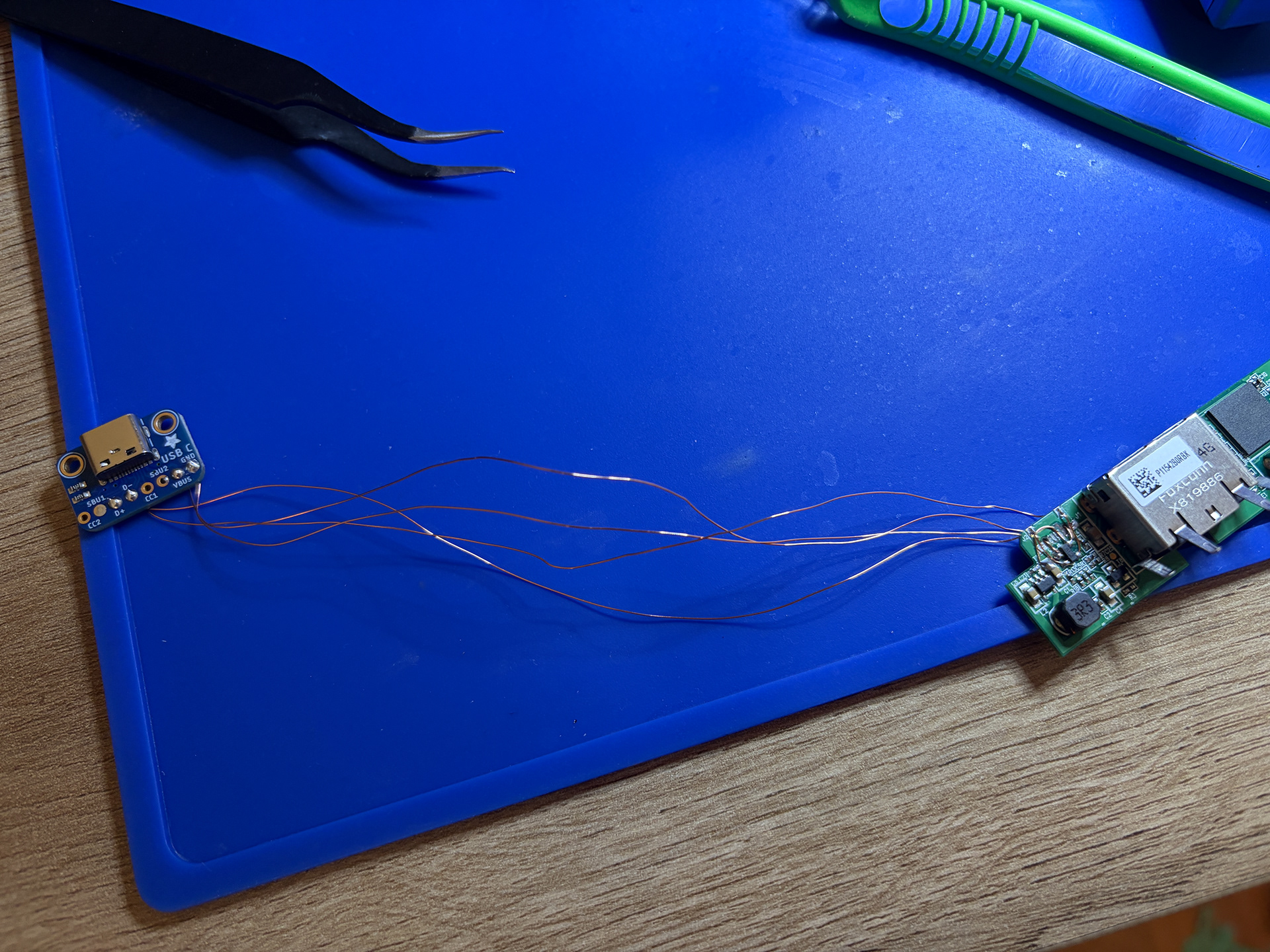
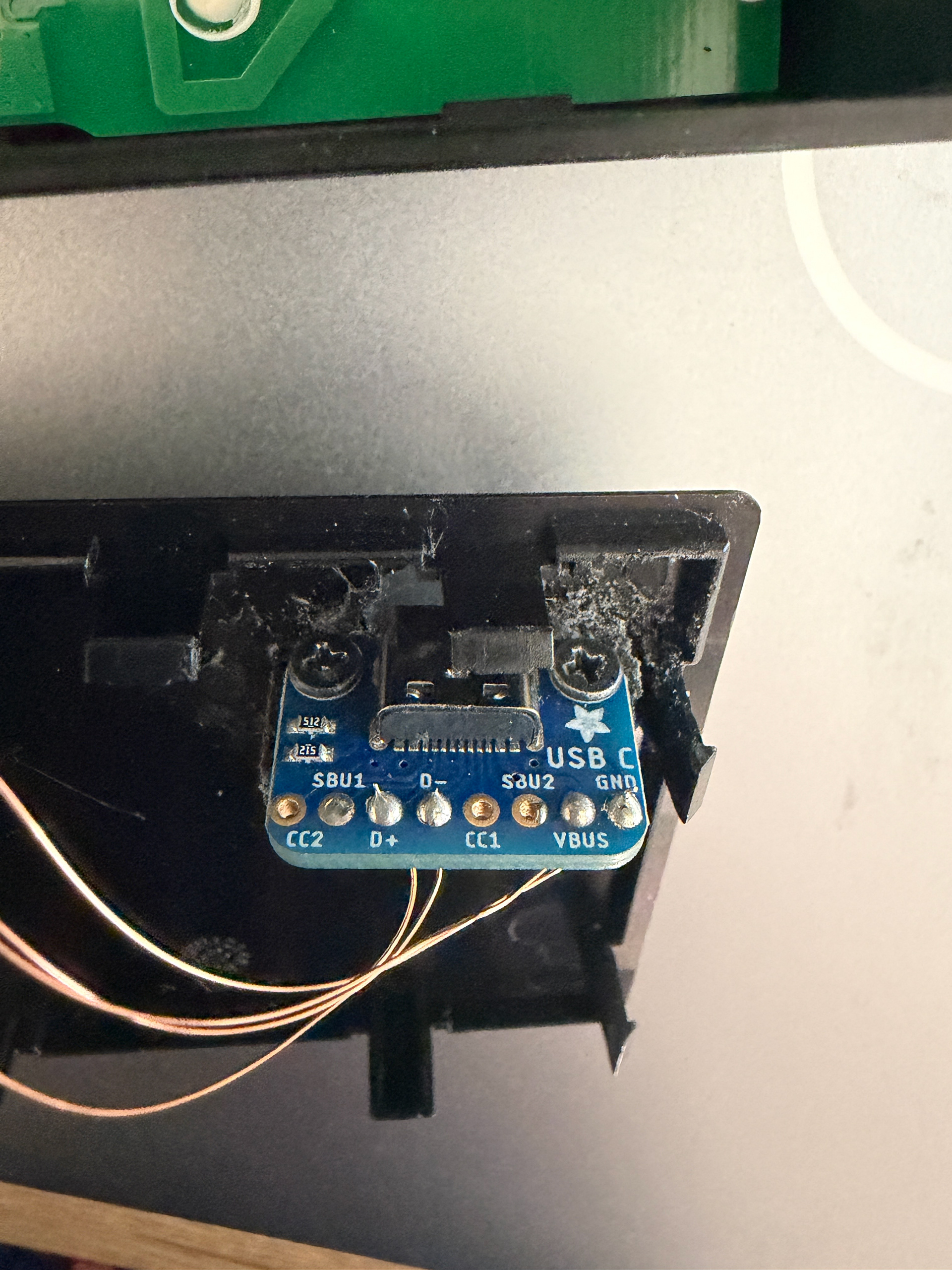
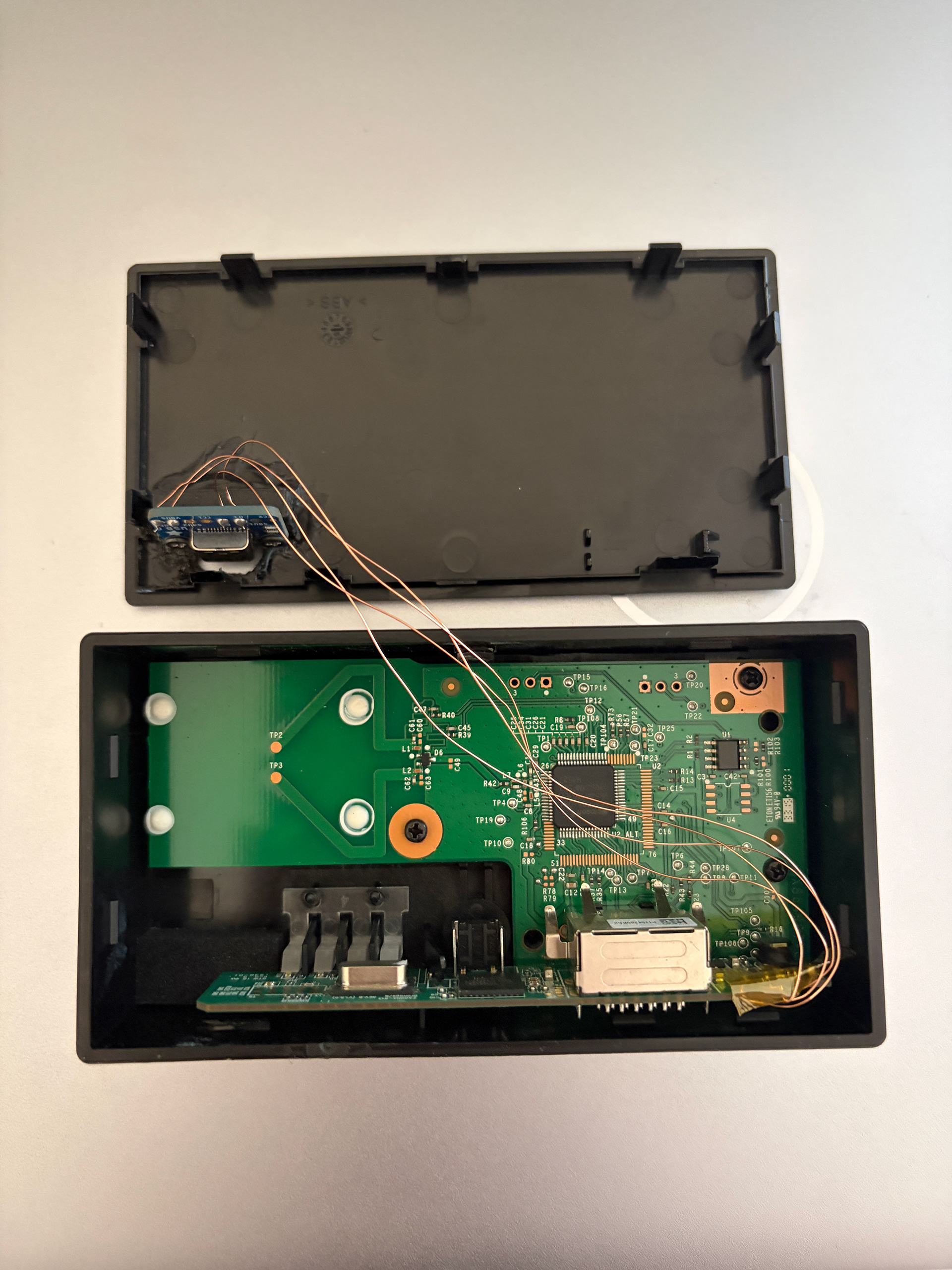
I was lucky to be able to find guides online of exactly how it needs to be wired. The bulk of the repair is 4 wires, one going to D+, one going to D-, one to ground, and one to 5V/VBUS. Mine also needed one additional wire going from 5V to a nearby capacitor. The reason this was needed was because the pad that was previously connecting those had been torn off when the port itself came off.
Soldering this wasn’t especially difficult, but this project proved to me that I really need a smaller iron tip. For something this small, I need a level of precision that I really struggle to have with my current iron. Nevertheless, I was able to do it successfully. Something that I am proud of is the fact that I fed the wires through the Micro USB port holes on the board to reduce strain on the connections themselves. This was something that I had seen adcurtin do, and I was able to replicate it well. I had to suck the solder out of those holes, and then very carefully feed the wires through and solder them in place. It was very precise because of how small everything is.
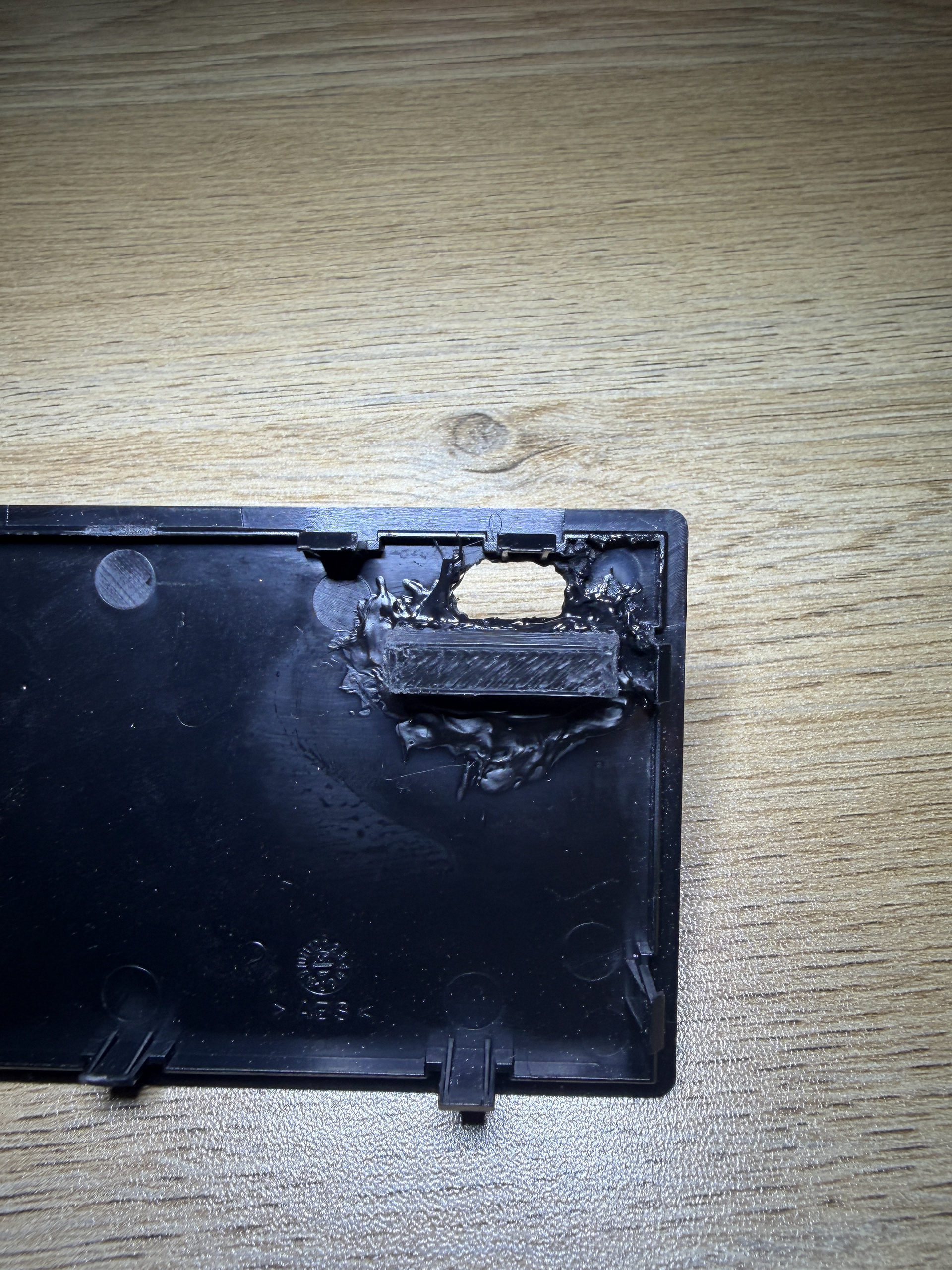
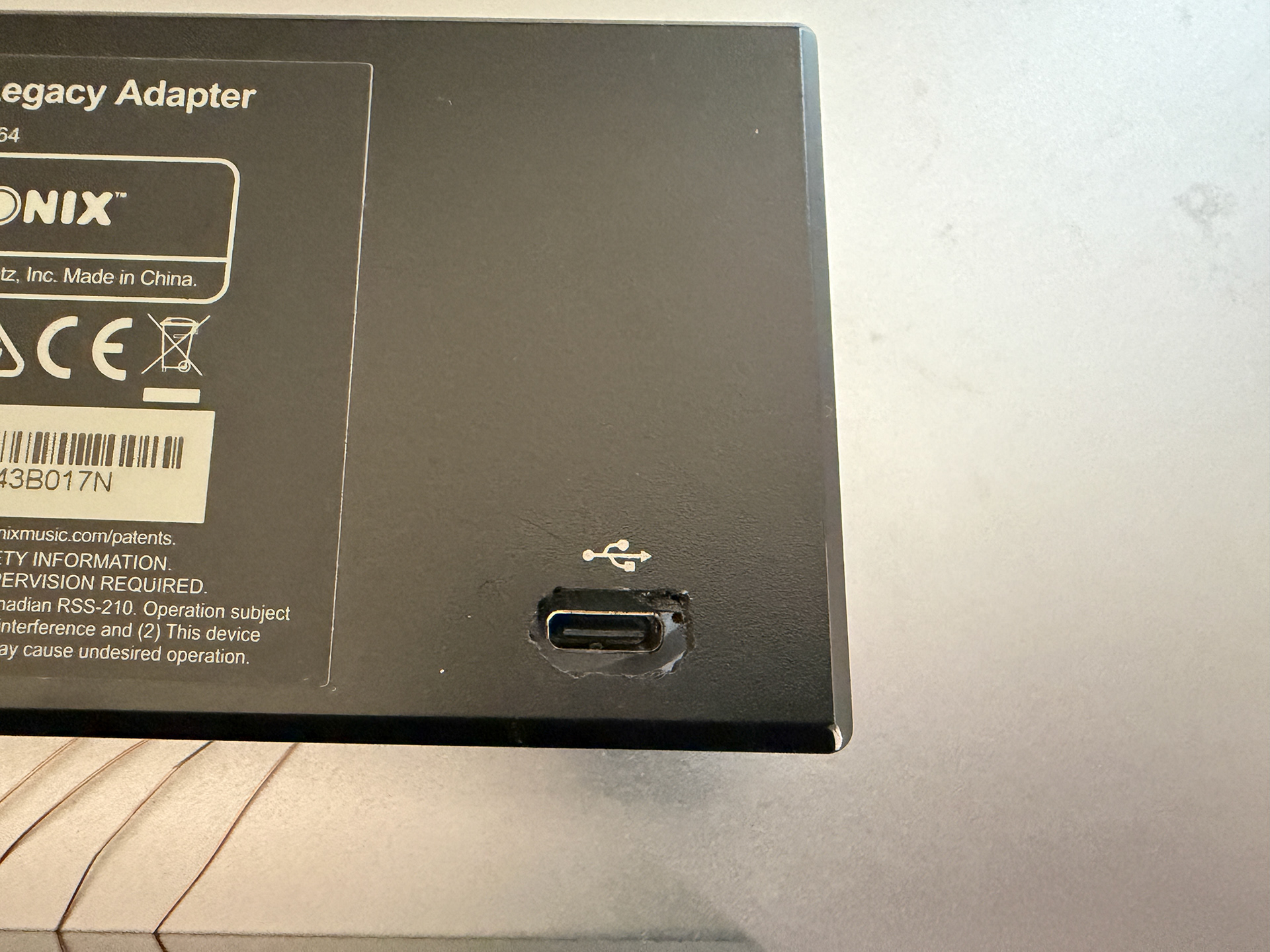
The next step was to solder the wires to the correct spots on the USB-C breakout board. This part was quick and easy! The next part was not. I needed to figure out how to then mount the new port. Originally, I had 3D printed a mount for the port, but it was huge, and I didn’t want it to be an eyesore on the shell. I thought of a different idea, and I’m happy that I was able to implement it. Instead of creating a new hole in the shell, I was able to just grind around the hole to make it large enough to fit a USB-C port. In the correct orientation, the USB-C breakout board would not fit because there wasn’t enough room in the space where the old micro-USB port was. I flipped it 180 degrees so the hole would be at the top right instead of the bottom left. I then ended up cutting the bottom piece of my 3D printed mount off of the print, and I used epoxy to glue it into place. Then, I was able to screw the breakout board into the mount and plug in the USB-C cable.
I am so incredibly happy and proud to see that this repair worked. I went out and bought a copy of Rock Band 4, purchased some additional songs from my favorite bands, and rocked out all day!
If I were to do this repair again, here’s what I’d want to do differently:
- I need a smaller soldering iron tip. My cheap weller has gotten me this far, but I’m really wanting to upgrade my setup.
- I should have used kynar wire instead of magnet wire. It’s more flexible and less likely to accidentally have the insulation strip off. I just didn’t have kynar wire small enough for this project, which is why I used the magnet wire.
- I wish the new USB-C port was flush with the outside of the case. I had to grind out a larger hole than needed so that I can actually plug the USB-C into the port. I also wish the actual grinded part looked cleaner. I should get some sandpaper and try to clean it up.